Registering to Vote
Getting on the electoral register takes minutes; here is who qualifies, when to do it and what ID to take to the polling station.
By the Ledger desk3 min read
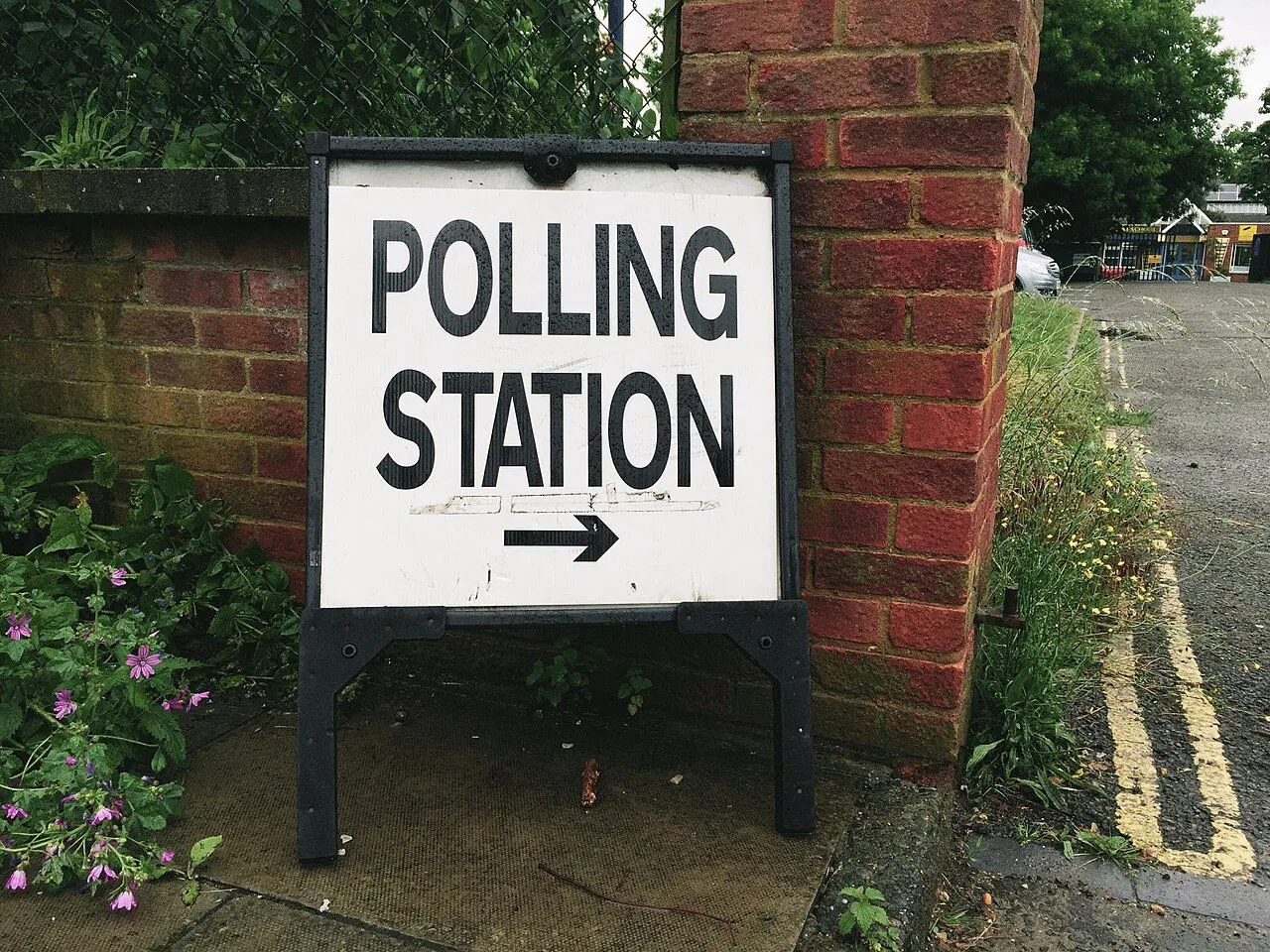
Photo: Ungry Young Man / Wikimedia Commons, CC BY 2.0
You register to vote online at GOV.UK, which usually takes about five minutes and needs your National Insurance number if you have one. You only need to register once, not before every election, but you must register again if you change your name, address or nationality.
Who can register and how
In England you can register from the age of 16 if you are a British, Irish, qualifying Commonwealth or qualifying EU citizen living in the UK. Registering at 16 or 17 puts you on the register ready for when you can vote. Which elections you can then vote in depends on your age and nationality. Only British, Irish and qualifying Commonwealth citizens can vote in general elections, from the age of 18. In local elections in England, including those for Newham Council and the Mayor of London, EU citizens can also vote if they have permission to be in the UK and are citizens of Denmark, Luxembourg, Poland, Portugal or Spain, or if they have had permission since 31 December 2020 without a break.
Most people use the main GOV.UK online registration service. You give your name, address, date of birth and nationality, and your National Insurance number if you have one. If you cannot use the online service, a paper registration form can be printed and sent to your electoral registration office, and there is a separate form for people who have no fixed or permanent address.
To be able to vote at a given election, you must be registered by the deadline, which is 12 working days before polling day. To check whether you are already registered, or whether your details are up to date, contact your electoral registration office, which for East Ham residents is at Newham Council.
Students may be able to register at both their home address and their term-time address. They may be able to vote in local elections in both areas, but it is an offence to vote more than once in a general election, so they must choose one constituency.
Voting in person: ID and the free certificate
You need to show photo ID when voting in person at general elections, local elections in England, including London's mayoral and Greater London Authority elections, and some other polls. The ID you show must be the original document, not a photograph, an image on a phone or a photocopy, and it can be out of date as long as the photo still looks like you. Accepted IDs include a UK passport, a UK or Northern Ireland photocard driving licence, a PASS card, a Blue Badge, a biometric residence permit and a Voter Authority Certificate, and in London an Oyster 60+ card or a Freedom Pass. A full list appears at GOV.UK.
If you are registered to vote and do not have accepted photo ID, you can apply for a free Voter Authority Certificate, online or through your council. This is a paper document with your photo on it that you show to polling station staff. You need a digital photo and your National Insurance number, or other documents to prove who you are. Applications must arrive by 5pm, 6 working days before polling day.
Postal and proxy votes
Once you are registered, you can apply to vote by post or ask someone you trust to vote for you by proxy. With postal voting, you are sent a ballot pack containing a ballot paper and a postal voting statement, which you fill in and return. You can only apply for a proxy vote in certain circumstances, such as being away on polling day, having a medical issue or disability, or being unable to vote in person because of work. You cannot apply for a postal or proxy vote unless you are registered.
The simplest step is to register now on GOV.UK rather than waiting for an election to be called, then check you have accepted photo ID. If you do not, apply for a Voter Authority Certificate well before the deadline.
General information, checked against the sources below at the time of writing. Rules, rates and deadlines change, often each April; confirm with GOV.UK, the council or the organisation concerned before you rely on them. For advice on your own case, Citizens Advice is free.