Contacting Your MP
A plain guide to reaching your MP, what they can take up on your behalf, and where to turn when it is a council or private matter.
By the Ledger desk3 min read
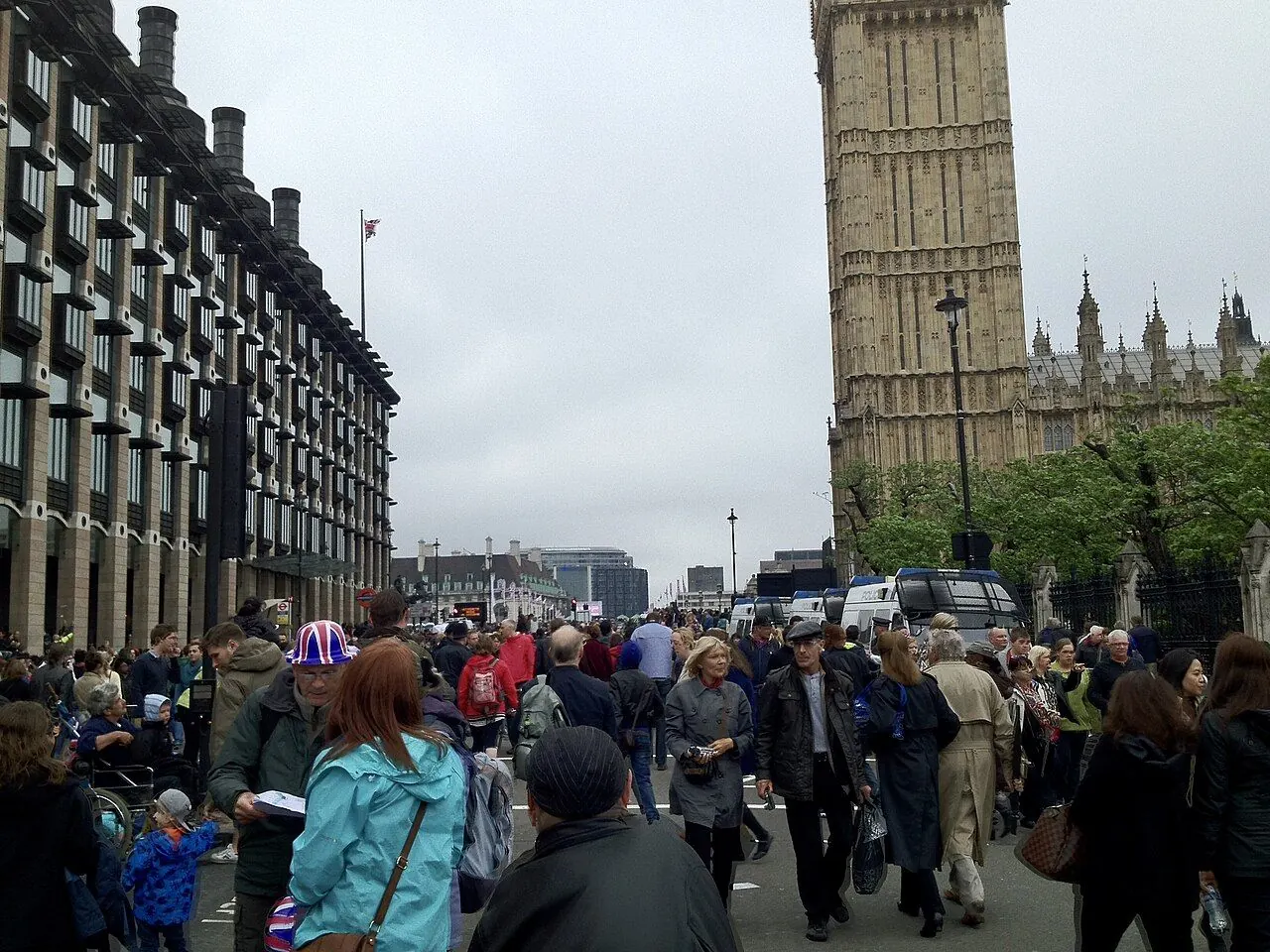
Photo: Ank Kumar / Wikimedia Commons, CC BY-SA 4.0
To contact your MP, find them by postcode on the UK Parliament website, then email, write or phone their office, always giving your full address. MPs generally act only for people who live in their own constituency, and mainly help with matters that are the responsibility of Parliament or central government.
How to contact your MP
To find your MP, enter your postcode in the Find MPs service on the Parliament website. If the postcode isn't recognised, the House of Commons Enquiry Service can look up your MP from your full address. The UK is divided into 650 constituencies, each represented by one MP, so check you are contacting the right one for your address.
You can write to your MP at House of Commons, London SW1A 0AA. Email them using the details in the Directory of MPs. You can also telephone an MP's office at the House of Commons by calling 020 7219 3000 and asking to be put through, or call an MP at their constituency office. Constituency details are available from a local town hall or library, or in the Directory of MPs. Many MPs also hold regular surgeries where constituents can talk to them in person; the MP's website, a local library or the MP's office can say when and where these take place.
What an MP can actually do
MPs can help with issues that are the responsibility of Parliament or central government, including hospitals and the NHS, benefits, pensions, immigration, school closures and transport. If you feel you have been treated unfairly by a government office or agency, your MP can raise your concerns and make confidential enquiries with officials or a minister on your behalf. MPs cannot interfere in court decisions and are unlikely to be able to help with private disputes.
An MP can also refer individual cases to the Parliamentary and Health Service Ombudsman. The Ombudsman says that, by law, it can only look at complaints about UK government departments and other UK public organisations, such as HMRC, if an MP refers them. This MP referral rule is known as the "MP filter". The Ombudsman usually expects you to complain to the organisation itself first and give it a chance to put things right. NHS complaints in England can go to the Ombudsman directly or through an MP.
What to put in the message and when to go elsewhere
Always include your full address and postcode, so the office can see you live in the constituency. Then set out the problem briefly: what happened, the dates, the department involved and any reference numbers, what you have already done to complain, and what outcome you want. Attach copies of key letters or decisions rather than originals.
For local issues such as council tax, bin collections or street repairs, Parliament expects residents to contact the council or their local councillors first. In East Ham that means Newham Council's own complaints process. If that does not resolve the problem, the Local Government and Social Care Ombudsman can look at the complaint once the council's process is finished, or if the council has not replied within a reasonable time. For a private dispute with a landlord, employer or company, the Ombudsman Association lists the right scheme, and Citizens Advice gives free, impartial advice.
The practical rule is simple: work out whether your problem sits with central government, the council or a private body, look up your own MP with your postcode if it is a government matter, and send one clear, well-evidenced message. If the case needs an Ombudsman investigation, your MP is the route in.
General information, checked against the sources below at the time of writing. Rules, rates and deadlines change, often each April; confirm with GOV.UK, the council or the organisation concerned before you rely on them. For advice on your own case, Citizens Advice is free.