Free Childcare Hours
Three separate schemes fund early years places in England, and knowing which one fits your child decides how many hours you get and when.
By the Ledger desk2 min read
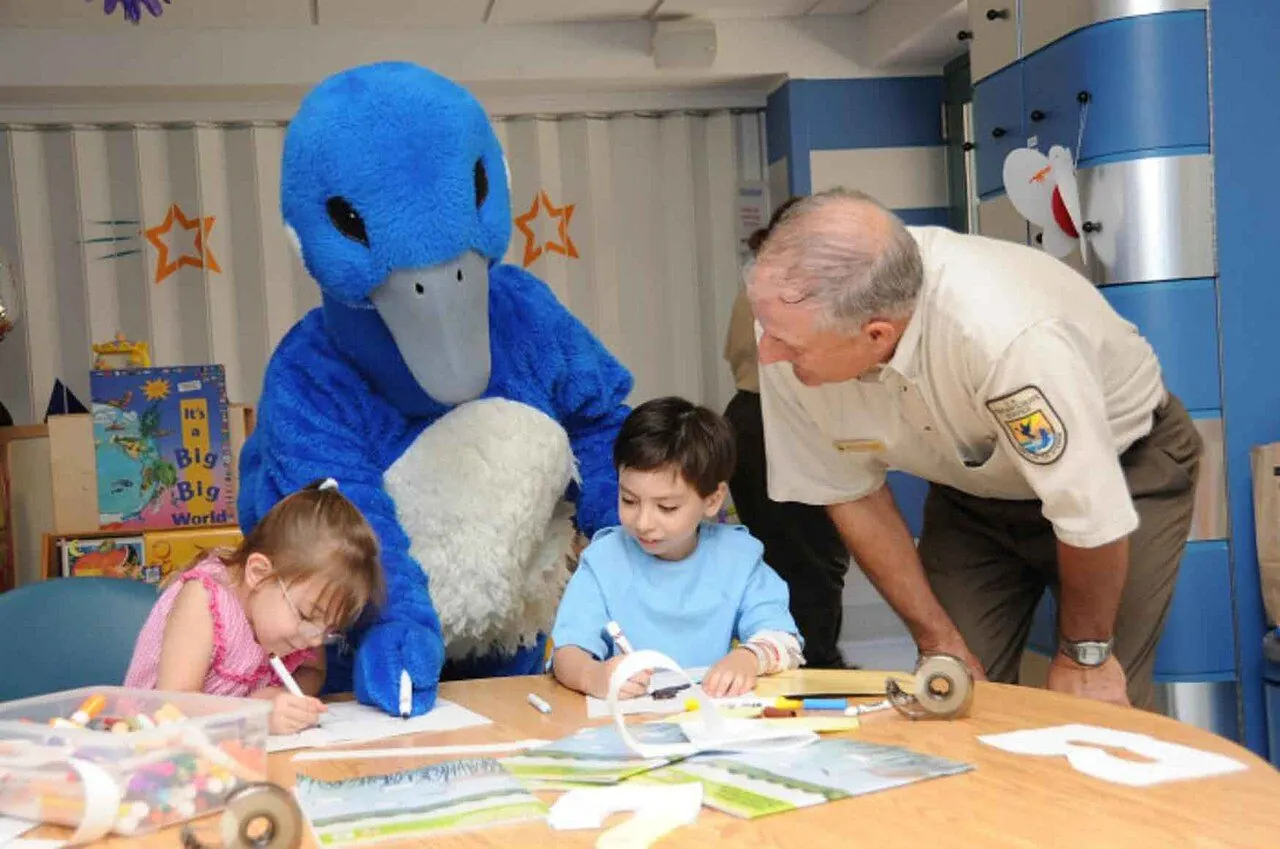
Photo: Walton LaVonda, U.S. Fish and Wildlife Service / Wikimedia Commons, Public domain
Free childcare in England is not one scheme. There are separate free hours entitlements with different rules, and the key questions for parents are which one their child is eligible for now, how long the childcare code lasts, and what charges the provider can add.
Who Gets What Free Childcare
All 3- and 4-year-olds in England can get 15 hours of free childcare a week for 38 weeks of the year (570 hours a year), though some children can get 30 free hours a week. The 15 hours start from the term after a child's 3rd birthday, with terms beginning on 1 January, 1 April or 1 September, and stop when the child starts in reception class. Working parents may also be eligible for free hours for children from as young as 9 months.
| Entitlement | Age | Who qualifies | How to apply |
|---|---|---|---|
| 15 hours for all | 3 and 4 years | Every child in England | Childcare provider or local council |
| 15 hours with extra support | 2 years | Families on certain benefits, or children with an EHC plan, Disability Living Allowance or who are or were in care | Local council |
| Free childcare for working parents | 9 months to 4 years | Parents (and any partner) in work and earning over a minimum amount | Childcare account on GOV.UK |
The working-parent route gives up to 30 hours a week for 38 weeks of the year. For 3- and 4-year-olds it sits on top of the universal 15 hours, so those two separate schemes together make up the 30 hours. Parents can apply from when the child is 23 weeks old. Families who are not UK citizens and cannot claim benefits may still qualify for the 2-year-old offer; the council's early years team or Family Information Service can check.
How the Code and Dates Work
The working-parent hours need a code. Parents apply through a childcare account on GOV.UK and receive an 11-digit code, which they give to their provider. Perhaps the most crucial point is how long the code lasts: working parents need to sign in to their childcare account every 3 months to confirm they are still eligible, and if they apply more than 3 months before their childcare starts, they need to reconfirm eligibility to keep the code valid.
For the 2-year-old offer, timing follows the birthday: parents of children born September to December can apply from 1 September for a January start, January to March births from 1 January for an April start, and April to August births from 1 April for a September start.
Stretching the Hours and Paying for Extras
The 15 and 30 hours are 38 weeks in the year by default, but parents can choose to take fewer hours a week over more weeks, only if the approved provider offers that option. The free childcare must be with an approved provider, and the provider cannot charge parents for the funded hours themselves. They can charge for extras such as meals, nappies, trips and additional hours beyond the entitlement.
Those extra costs can be paid through Tax-Free Childcare, which working parents can use at the same time as free hours if they are eligible for both. Tax-Free Childcare covers children aged 11 or under (16 or under if disabled). The Childcare Checker on beststartinlife.gov.uk shows which schemes a family can combine and the current earnings rules.
General information, checked against the sources below at the time of writing. Rules, rates and deadlines change, often each April; confirm with GOV.UK, the council or the organisation concerned before you rely on them. For advice on your own case, Citizens Advice is free.