Starting Primary School
Applying for a reception place in London follows a fixed national timetable, and a few choices made early shape the offer on 16 April.
By the Ledger desk2 min read
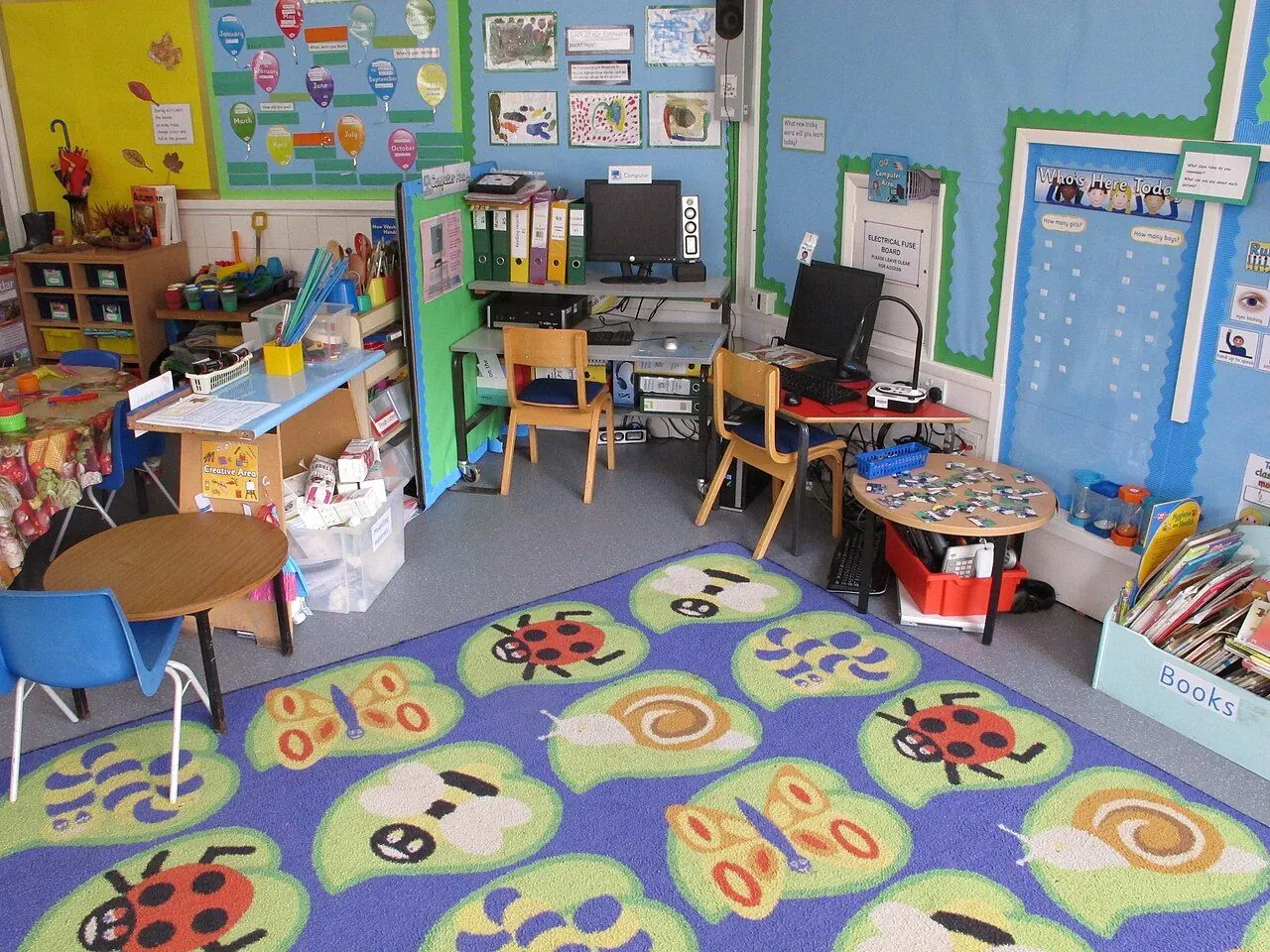
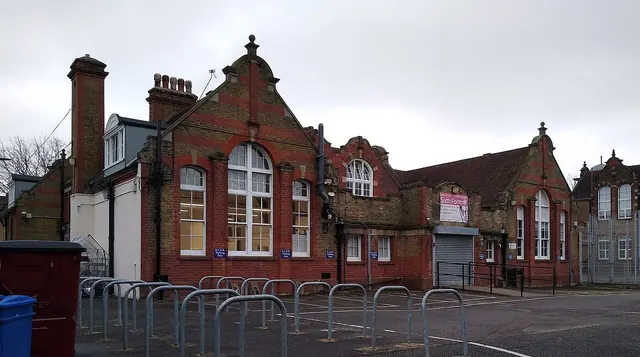
Photo: David Hawgood / Wikimedia Commons, CC BY-SA 2.0
London parents apply for a reception place through their home council between September and 15 January, a year before their child starts school, and can name up to six schools. Offers are made on 16 April.
The London admissions process
Most children start reception full-time in the September after their fourth birthday, so the application is made when a child is 3 or has just turned 4. Applicants list up to six reception classes in order of preference, and can name schools across London and beyond, but they always apply through the council where they live. An offer will be made for the highest-ranked school on the list that has room for the child.
| Step | Date |
|---|---|
| Applications open | September, the year before entry |
| National closing date | 15 January, 11.59pm |
| National offer day | 16 April, or the next working day if it falls on a weekend or bank holiday |
The common application covers state-funded reception classes, including voluntary aided faith schools, foundation schools, free schools and academies. Independent primary schools have a separate admissions process and should not be named on the common application form. Applications received by the closing date are considered together; late applications are only looked at once on-time applicants have been placed, which cuts the chance of a preferred school. In Newham, online applicants can see their outcome on eAdmissions from the late afternoon of offer day.
How the admissions criteria rank applicants
Oversubscription criteria decide who is offered a place when a school has more applicants than places. They vary from school to school but usually include priority for:
- looked-after and previously looked-after children, who must come first by law
- children with a sibling already at the school
- children of staff, where the school's policy says so
- distance from home to school, or a catchment area in boroughs that use them
No state-funded school in Newham has a catchment area; for council-run schools, distance is measured as the shortest walking route. Faith schools may give priority on religious grounds and ask for a supplementary form. Naming only one school does not improve the chance of getting it, so it is worth using all six preferences, including at least one realistic option.
Summer-born children, waiting lists and appeals
Children do not have to be in school until compulsory school age, which is the 31 December, 31 March or 31 August following their fifth birthday, whichever comes first. Parents can ask for a later or part-time start in reception, but must still apply by 15 January. A child born between 1 April and 31 August who starts in the September after turning 5 would normally go into Year 1; the council or school can agree to reception instead, but does not have to.
If the child's offer is not their first preference, parents have two ways of trying to move them to a school higher on the list. In Newham the child is automatically added to the waiting list for every higher-ranked school, and parents can appeal to an independent panel for any school they named. If no preferred school can offer a place, the council must offer a place at another school. The best next step after 16 April is the home council's admissions page, which explains how to accept the offer, check waiting list positions and lodge an appeal.
General information, checked against the sources below at the time of writing. Rules, rates and deadlines change, often each April; confirm with GOV.UK, the council or the organisation concerned before you rely on them. For advice on your own case, Citizens Advice is free.