Home›Archive›Democracy & Citizenship›Citizenship in the Classroom
From the archive · Speech
Citizenship in the Classroom
A speech to a TELCO assembly at Stratford Town Hall on citizenship education and turnout in Newham.
Originally published 24 April 2002
From the archive. Between 1998 and 2003 this domain carried the constituency website of the Member of Parliament for East Ham. This page keeps one of its items as a historical record, with the original date restored. East Ham Ledger, which publishes the site today, is an independent magazine and has no link to any MP, party or Parliament; contact details and the names of private individuals have been removed, and lost pictures have been replaced with credited photographs of the places concerned.
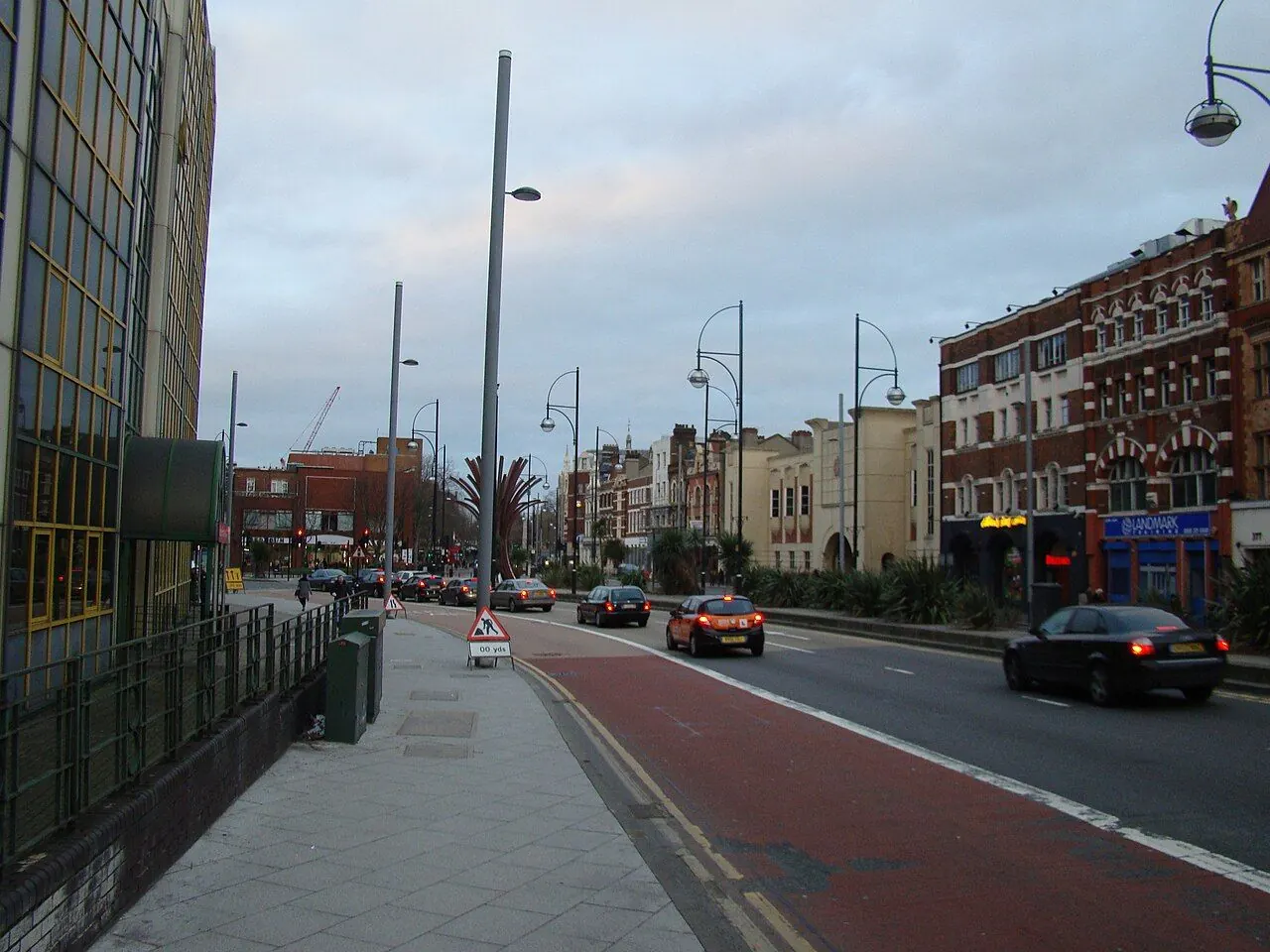
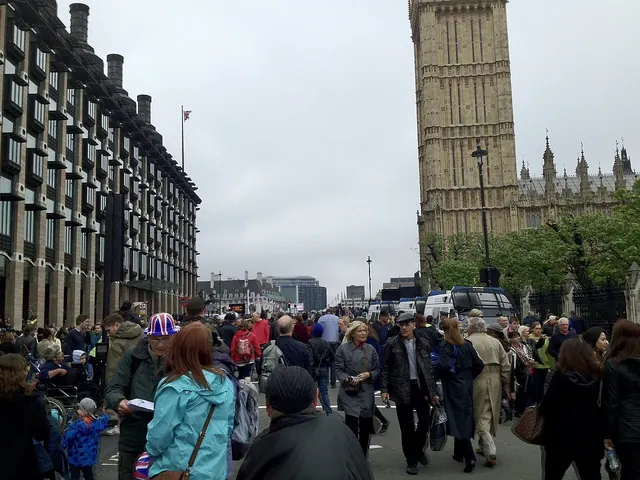
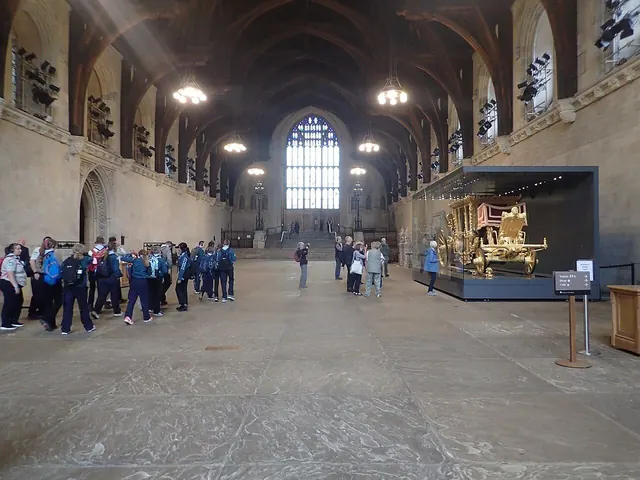
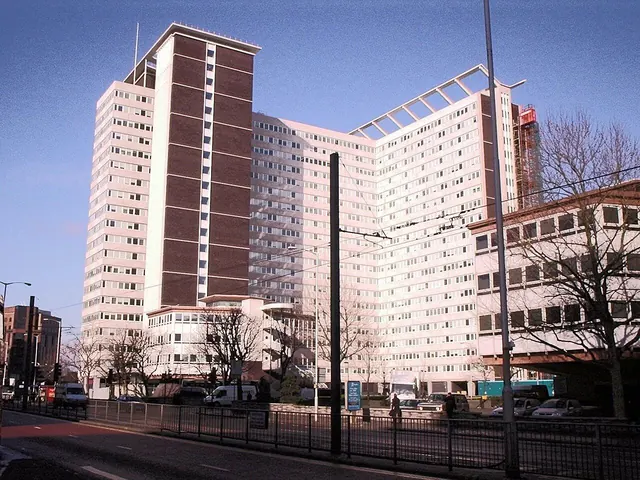
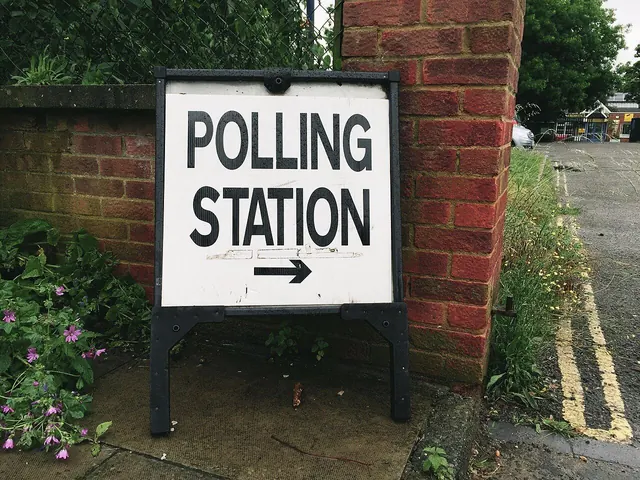
Pictured today: Photo: Robert Lamb / Wikimedia Commons, CC BY-SA 2.0
I am delighted to be here.
On 2nd May, Newham will choose its new Council, and will also be among the first local authority areas in the country to elect its Mayor directly. It's crucial for people to understand the importance of this election. The new Mayor and the Councillors will have a big impact on life in Newham. But in the 1998 Council elections only 28.4% of those who could vote did so, and over the last 28 years turnout in Newham Council elections has never exceeded 40%. There is a real problem with engaging members of the public - especially young people - with politics and with the life of our community. It's a concern which Telco has been working on since its creation and it is a very good concern to have.
As Minister for Schools, I have responsibility for the school curriculum. We are making a contribution to engaging young people more as citizens by introducing citizenship to the curriculum. It has already been introduced to primary schools. From September, citizenship will be a compulsory part of the National Curriculum for Key Stages 3 and 4 - that's for pupils from 11 to 16. Beyond the compulsory school years, pilot projects are being run in sixth forms and colleges to develop post-16 citizenship as well.
Citizenship Education will help pupils to form their own opinions on political issues, and to deal with the difficult moral and social questions that arise in their lives and in society. We want to instil a sense of civic involvement and responsibility into a new generation of voters, to strengthen our democracy, and to ensure its well being for tomorrow.
We want pupils to develop an understanding of fairness and social justice, to develop into confident, caring members of society who are respectful of the needs and views of others. We want pupils to contribute to their own communities, because community involvement is an important way of generating a vital sense of shared responsibility for what is happening in our area. And we want to encourage them to respect and understand diversity, and in doing so combat bullying and prejudice.
It will have three main strands: Social and moral responsibility, Community involvement, And political literacy.
During Key Stage 3, 11 to 14, pupils will discuss topical issues and learn to identify the role of the institutions and systems that influence their lives and communities. They will be encouraged to be actively involved in the life of their school and their neighbourhood, and to contribute to public life. We hope that pupils will develop skills for democratic participation: skills of analysis, scrutiny, and debate.
At Key Stage 4, that's 14 to 16, pupils will analyse how the key institutions and systems work, and the effects they have. They will take greater responsibility in being involved in the life of their school, and their neighbourhood. They will learn about the opportunities for individuals to help bring about change; about the importance of a free press; about the rights and responsibilities of consumers, employers and employees. They will learn about Britain's relations with other countries and about international development - about the need to share responsibility in an interdependent world.
That all happens from September, but, in our green paper on 14-19 education, published in February, we have proposed that it should be taken further in the future. We have proposed the idea of a Matriculation Diploma which all young people would be able to aim for throughout their teenage years, and which they could obtain at age 19. The key aim will be to switch the focus for young people away from 16 and GCSEs as the end of their education, and to focus instead on 19 and what each young person will have achieved by that age. As part of that, we want to give credit for the wider activities of young people, beyond their examination results: citizenship activities, volunteering, and wider interests. So the Matriculation Diploma could play a big part in promoting further improvements in this area.
I was in the United States recently and discovered that in some states, in order to graduate from high schools at age 19, you must have carried out at least a minimum number of hours of volunteering. As a Government we have put a lot of effort into volunteering - for example with Timebank, which links up willing people with organisations needing volunteers, and with the Millenium Volunteers programme. About half the population is now involved in some kind of volunteering. We need to encourage those who do volunteer so that they continue, and to persuade more people to volunteer, because collective responsibility is the foundation on which a strong democracy rests.
On Sunday Jean-Marie Le Pen, of the extremist French National Party, beat the French Prime Minister, Lionel Jospin, into the second round of the presidential elections. Voters' apathy towards the main two candidates had allowed Le Pen to get through by the back door. Hundreds of thousands have taken to the streets of French cities to protest at the result, and many more are said to be sickened with regret for failing to vote. On Monday the French people woke up to the realisation of how crucial it is to express your will at the ballot box. Let's hope we don't need a scare like that in the UK to persuade the British people to vote.
Thank you.