Home›Archive›Democracy & Citizenship›Citizenship and Democracy
From the archive · Speech
Citizenship and Democracy
A talk to pupils of Ellen Wilkinson Primary School on citizenship, Parliament and the work of an MP.
Originally published 2 March 2001
From the archive. Between 1998 and 2003 this domain carried the constituency website of the Member of Parliament for East Ham. This page keeps one of its items as a historical record, with the original date restored. East Ham Ledger, which publishes the site today, is an independent magazine and has no link to any MP, party or Parliament; contact details and the names of private individuals have been removed, and lost pictures have been replaced with credited photographs of the places concerned.
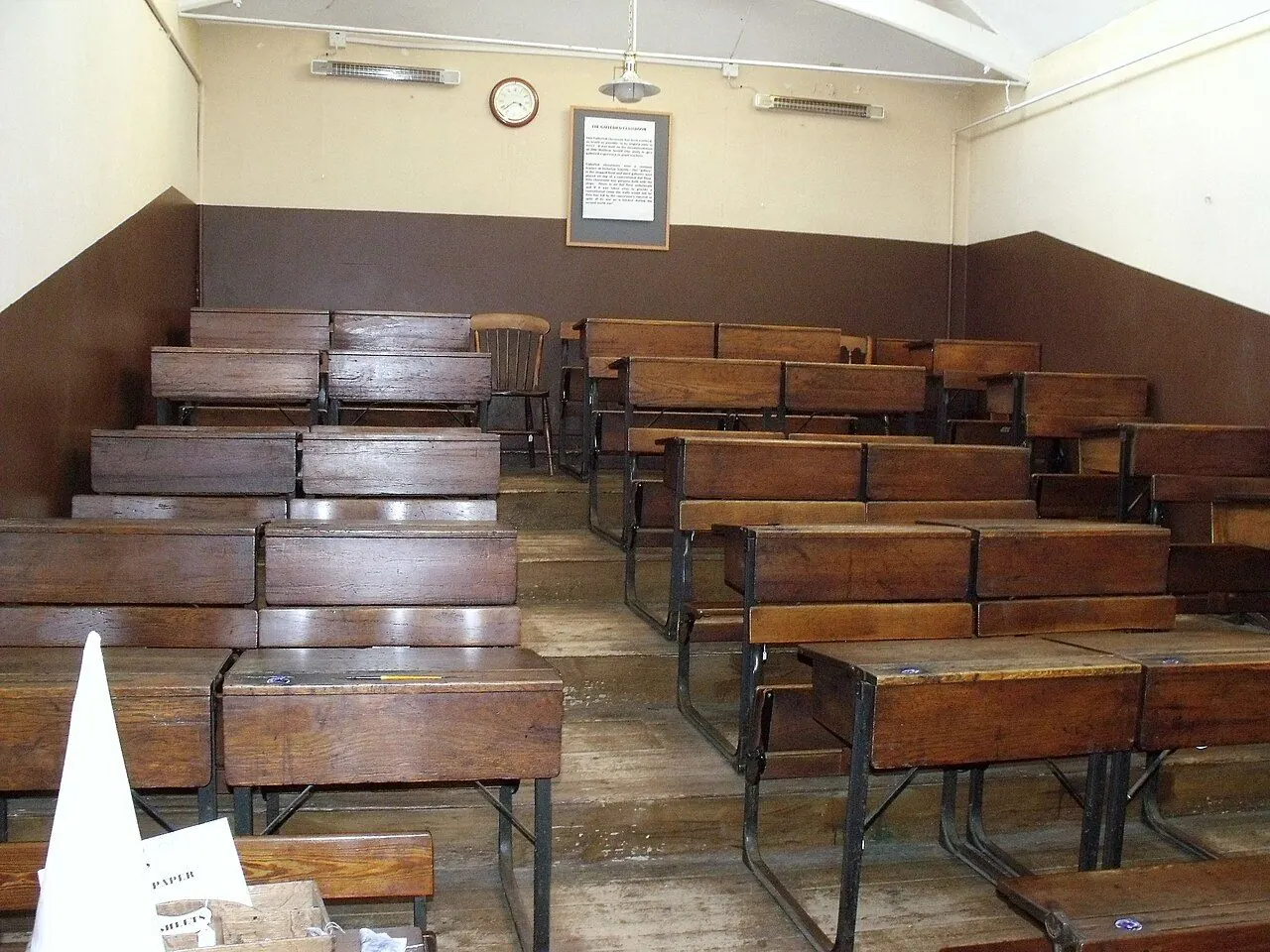
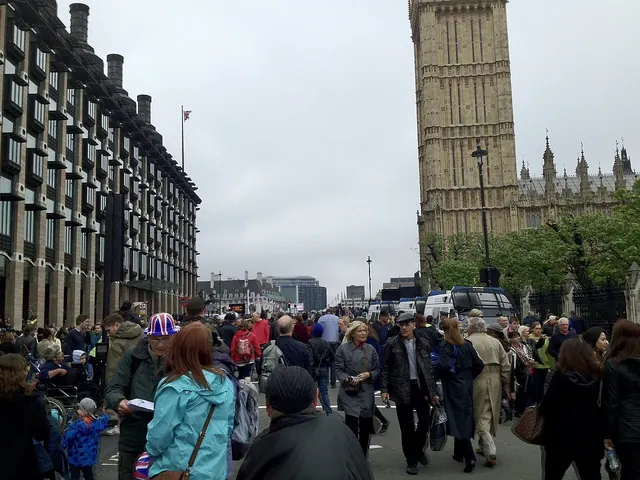
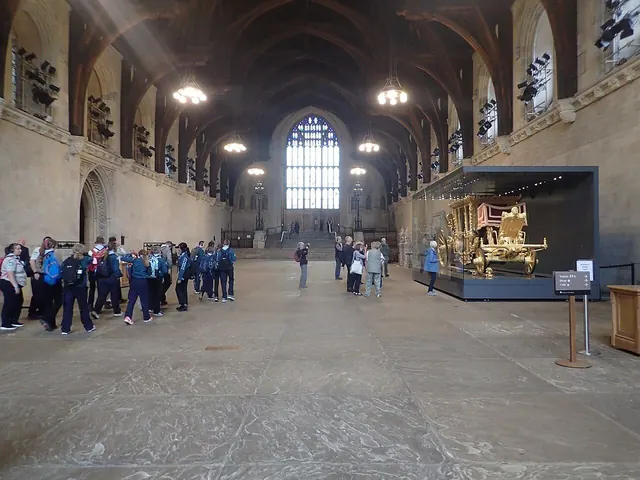
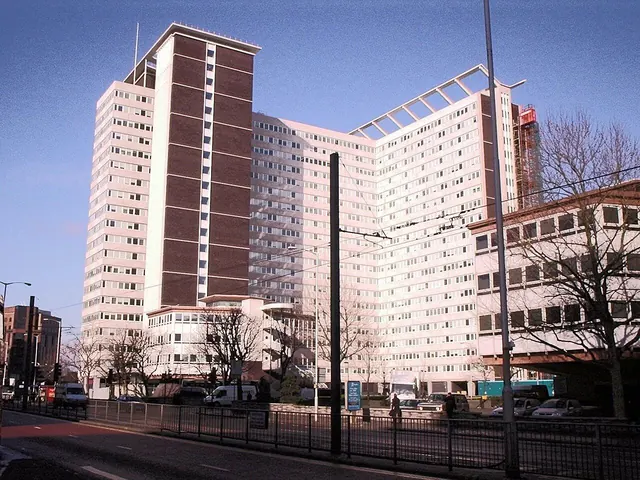
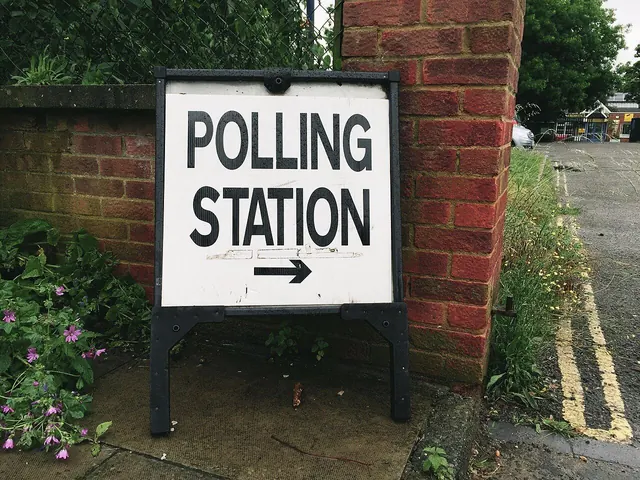
Pictured today: Photo: Paul Shreeve / Wikimedia Commons, CC BY-SA 2.0
Good morning everyone and thank you for asking me here today. I am delighted to be here to talk to you about citizenship and democracy. I am your local Member of Parliament, and for me it is really important to make sure young people know about how our country is run and our government works- because you are the future of this country. The Government has brought citizenship into the National Curriculum, because we believe it is crucial that young people learn about their place in society, so they can be active citizens throughout their lives. The health of our democracy depends on a lively, active citizenship.
I want to first explain a bit about my understanding of what citizenship means and then to talk about democracy, especially in terms of Parliament and what it means to be a Member of Parliament.
Being a citizen is about belonging to a group and the rights and responsibilities that you have within that group. Take this school, for example. You come here every day, you wear the uniform- you belong to Ellen Wilkinson Primary School. When you are outside of school, your uniform identifies you as a member of the school. You have, amongst other things a right to be taught certain things which will help you do well later in life. You equally have responsibilities, to keep the rules, to do your homework!
In the same way you have rights and responsibilities as a member of the wider community. You are a citizen of the UK, and probably other groups within that- your religious or ethnic group for example. Being a citizen, then, means belonging to and participating in the life of the whole community. To be a full citizen in British society, you need to understand how society is run, and participate actively in the society. You need to learn to use your voice to express your opinions, to make sure your rights are protected and that your responsibilities are carried out.
Citizenship is vital to the life of our democracy. Democracy means government by the people. In order to make our democracy work, its citizens need to understand the issues and know how to express their views. In this country, this is done largely through voting for representatives who make up the House of Commons, which is part of Parliament.
Having a Parliament made up of elected representatives is therefore key to making the UK a democracy. Once you are 18, you can vote to decide who governs the country, and who represents you as your Member of Parliament. MPs divide their time between working in their constituency and in the House of Commons in London. The United Kingdom is divided up into areas called constituencies. One MP is elected to represent each of these areas. There are 659 constituencies at the moment.
I gained the right to represent the East Ham constituency by receiving more votes than the other candidates at the last General Election. Once elected it is my job to represent the people of my constituency whether or not they voted for me. A vote is where everyone who takes part can make one choice from a list of choices, and in a General Election people make choices about who should be their MP. A General Election is held on the same day everywhere in the country.
One of the main ways in which I represent the people of East Ham and try to help them with their concerns, is by holding surgeries. The surgery gives the people in the constituency an opportunity to meet their MP. It is a bit like a doctor's surgery, because people can come and meet me to talk about things that concern them. I hold surgeries most weeks in different places around the East Ham constituency.
My time is divided between being here in East Ham, and being in Westminster, in Parliament. The British Parliament is made up of three parts - the Monarch, the House of Lords and the House of Commons. Parliament is where new laws are debated and agreed. In fact the name Parliament comes from the French word 'parler' which means to talk. In the House of Commons MPs put forward and debate new laws. MPs also question the Government to make sure that the Government is doing its job properly. They must agree to the money that the Government collects in taxes and spends on services. As I also represents the constituency of East Ham, I try to bring things that concern the people in their constituency to everyone's attention. The other part of Parliament is the House of Lords, which is made up of appointed peers who act as a check on what the Commons decides.
As well as being a Member of Parliament, I am a member of the Government. Government is like the management of the country. The Party that wins the most seats in a General Election forms the Government. In 1997, Labour won most seats and so we now have a Labour Government. Tony Blair is the leader of the Labour Party and so he became the Prime Minister. The Prime Minister selects the members of the Government.
The Government does not make laws. Parliament makes laws and checks that the Government is doing its work properly. The Government proposes new laws and presents them to Parliament.
It is made up of the different Departments run by Ministers and the Prime Minister is in charge of it. In July 1999 I was appointed Financial Secretary to the Treasury. I work with the Chancellor, Gordon Brown, on policies about the economy- taxes, business and jobs. Before that I was Minister of State at the Department of Social Security where my work included pensions, older people, and long-term care.
I have lived in the borough of Newham since 1979. I was elected to the Council in 1984 and was Council Leader from 1990 to 1994. I was elected as Labour MP for Newham North East in a by-election on 9 June 1994, and was re-elected to the new constituency of East Ham in May 1997 with a majority of 19,358.
Being an MP in East London is very rewarding as this is such an exciting place to be. London's future is here, and so are its brightest prospects. The young population is increasingly successful, and lots of new things are happening. The University of East London's superb Docklands site, London's first new University campus for 50 years, the Excel International Exhibition Centre - London's biggest by far - and the International Passenger Station at Stratford on the Channel Tunnel Rail Link, are just some of the exciting projects in our area. East Ham can look to the future with confidence and I look forward to serving the people of East Ham in that future.
I would encourage you to learn more about being an active citizen. There are all sorts of ways in which you can do this- school councils, mock elections, joining clubs and societies, doing community projects. I’m sure your teachers have lots of ideas! You as the young people of East Ham, are the future of this constituency and this country and it is really important that you do use your voice so that Britain becomes a better place, reflecting the diversity of our society.
Thank you